
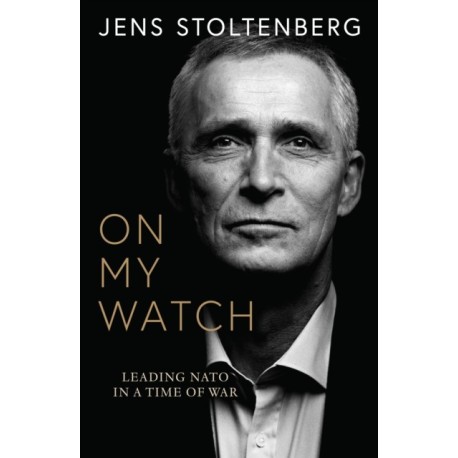
Jens Stoltenberg’s memoir On My Watch is an outstanding political autobiography and a personal document about responsibility, crisis management, and leadership in extreme situations. The book is at its strongest when it closely examines the events that defined his time as Prime Minister of Norway—most notably the terrorist attacks carried out by Anders Behring Breivik on July 22, 2011.
The book follows Stoltenberg’s political career from his early years in the Labour Party to his role as Prime Minister and later as Secretary General of NATO. The structure is chronological, with clear focus on the most decisive moments when his leadership was put to the test.
The chapters dealing with July 22 form the emotional and narrative core of the book. Here, Stoltenberg describes both the concrete decisions made in the hours and days following the attacks, as well as his more personal reflections on grief, responsibility, and national unity. His account of meeting victims and their families feels sincere and credible.
The attacks carried out by Anders Behring Breivik may not be new to readers, but Stoltenberg’s perspective as the country’s highest political leader adds particular weight. The book is a testimony to the challenge of holding a nation together while being personally affected.
The style of the book is sober, calm, and restrained. There is little dramatization or self-glorification. Stoltenberg presents himself as a person who doubts, listens, and seeks to act correctly rather than spectacularly. This may seem cautious at times, but it fits well with the book’s message of responsibility and institutional stability.
The language is clear and easy to read or listen to, without being literarily flamboyant. You can sense that it is written by a politician rather than a novelist. In return, the reflections on power, compromise, and international relations are engaging—especially when Stoltenberg describes the balance between national interests and cooperation with allies.
The book’s greatest strength is its authenticity. You sense a leader who genuinely tries to explain his choices—even when they were not perfect. There is a rare openness about doubt and mistakes, which lends the book a sense of humility.
At the same time, the book works well as contemporary political history, offering insight into how a small country like Norway navigates global conflicts, diplomacy, and security policy. Stoltenberg’s descriptions of international summits and negotiations may not be dramatic, but they are instructive.
On My Watch is a solid, thoughtful, and dignified political memoir. It is not sensational or polemical, but it is credible and reflective—and that suits a story about leadership in times of crisis. Highly recommended.




Seneste kommentarer